Autonomous Energy Supply for Hansen Mission
A 0.5 MW solar power plant and a 5 MWh battery energy storage system provide autonomous, stable and environmentally friendly power for the residential and social infrastructure of Hansen Mission.
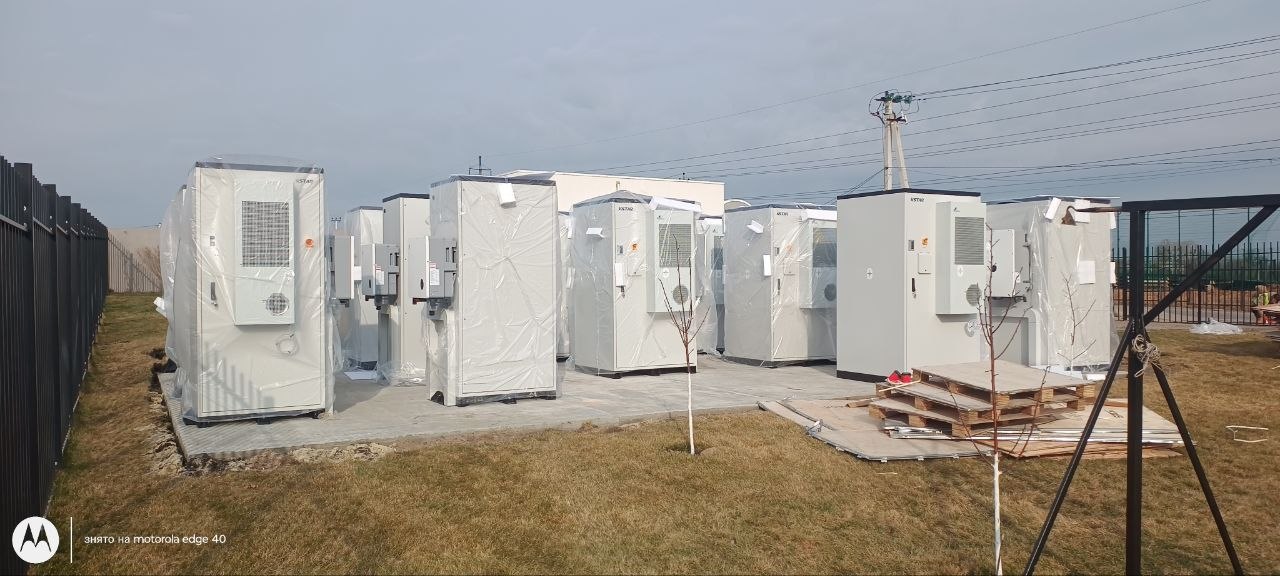
Solar Garden implemented an integrated energy solution for Hansen Mission, combining a 0.5 MW solar power plant with a battery energy storage system.
The solar power plant comprises 864 Longi Solar modules rated at 580 W each. The electricity generated by the facility is used to supply the residential and social infrastructure of Hansen Village.
The KSTAR KAC50DP battery energy storage system, with a capacity of 5 MWh, stores surplus electricity generated during the day. The stored energy can be used in the evening, during peak demand periods or in the event of interruptions to the central power grid.
The combination of solar generation and energy storage provides Hansen Mission with an autonomous, stable and environmentally friendly energy supply. The solution reduces dependence on the central electricity grid, improves energy efficiency and helps lower electricity costs.
The project was implemented within 1.5 months, including equipment supply, installation, system integration and commissioning.
Social mission of the project
Hansen Mission was established to provide modern and secure housing for internally displaced people and Ukrainian citizens affected by the war.
The project aims to offer residents affordable and energy-efficient housing, well-developed social infrastructure and comfortable conditions in which they can restore stability, dignity and economic well-being.
The use of renewable energy and battery storage supports a sustainable and environmentally responsible lifestyle while strengthening the energy resilience of the Hansen Village community.
Key benefits of the implemented solution
- autonomous power supply for residential and social facilities;
- stable operation during interruptions to the central power grid;
- storage of surplus solar electricity;
- use of stored energy during peak demand periods;
- reduced dependence on external electricity supplies;
- improved energy efficiency of the infrastructure;
- lower electricity costs;
- reduced environmental impact;
- support for sustainable development and community energy independence;
- project implementation within 1.5 months.