Solar Power Plant and BESS for Zemlia Farm
A 0.69 MW solar power plant and a 1 MW / 4.18 MWh battery energy storage system provide the farm with its own electricity, backup power and the opportunity to sell surplus energy.
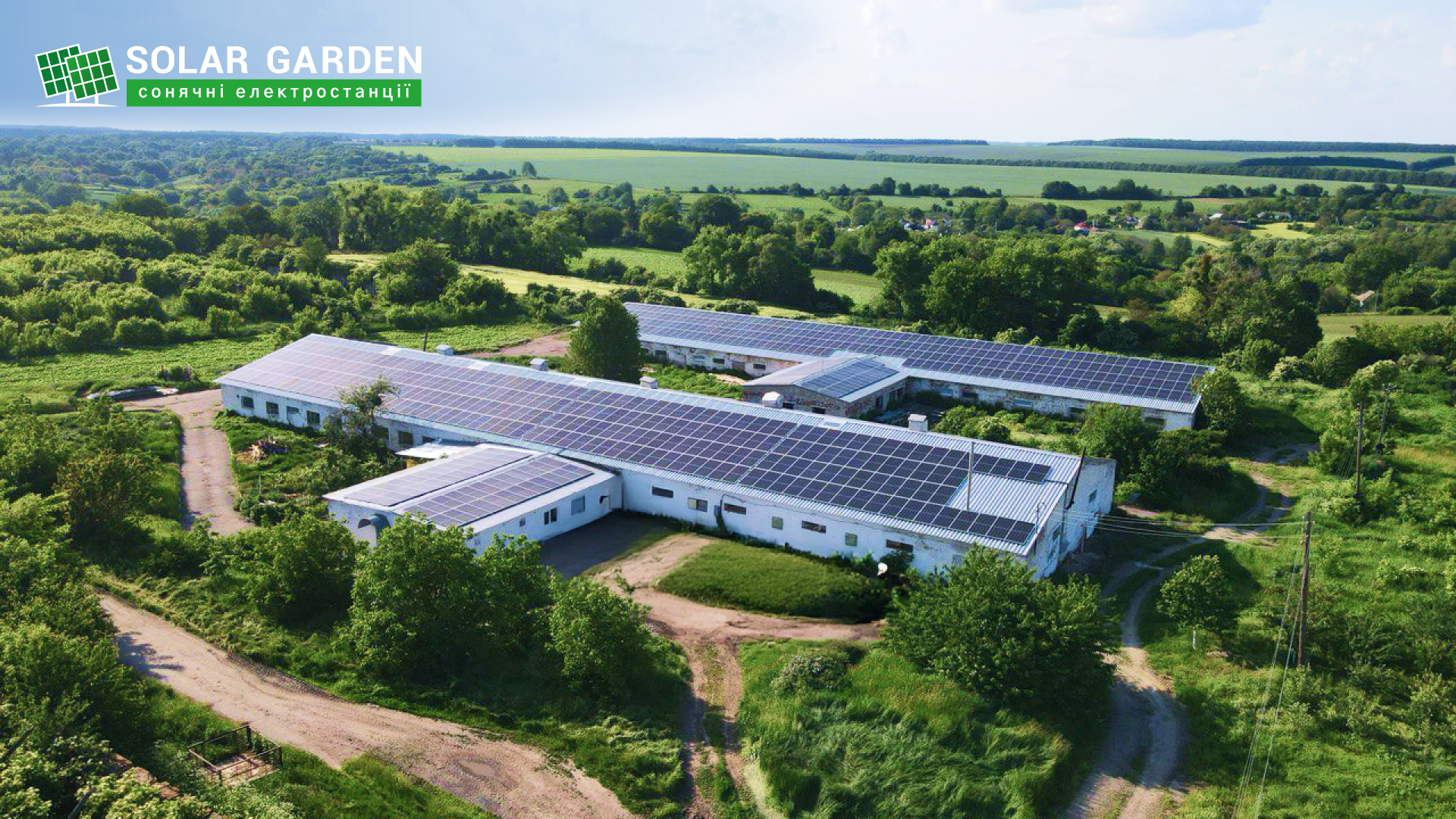
Solar Garden implemented an integrated energy solution for Zemlia Farm in the Cherkasy Region, combining a 0.69 MW solar power plant with a Hithium battery energy storage system rated at 1 MW with a storage capacity of 4.18 MWh.
The solar power plant comprises 1,148 Inter Energy modules rated at 600 W each. The generated electricity is used to meet the farm’s own energy needs, reduce consumption from the central power grid and optimise operating costs.
The battery energy storage system stores surplus electricity produced by the solar power plant. The stored energy can be used during periods of increased demand, in the evening or when the external electricity supply is interrupted.
By integrating solar generation with energy storage, the enterprise can maintain the uninterrupted operation of equipment and production processes, reduce its dependence on the central power grid and improve its energy resilience.
Surplus electricity can also be sold, creating an additional source of income for the farm and improving the overall economic efficiency of the project.
About the enterprise
Zemlia is a family farm operating in the agricultural sector. Its activities focus on the efficient use of land, increasing crop yields and producing high-quality agricultural products.
The introduction of solar generation and battery energy storage helps the enterprise reduce energy costs, maintain stable production processes and develop its agricultural business in accordance with the principles of energy efficiency and sustainable development.
Key benefits of the implemented solution
- supply of locally generated electricity;
- lower energy consumption costs;
- storage of surplus solar electricity;
- backup power during electricity outages;
- uninterrupted operation of equipment and production processes;
- reduced dependence on the central power grid;
- opportunity to sell surplus electricity;
- improved energy independence;
- support for sustainable agricultural production.